Technique Editorial 1 min read
Fixing a Weak 9-Ball Break: Four Common Culprits
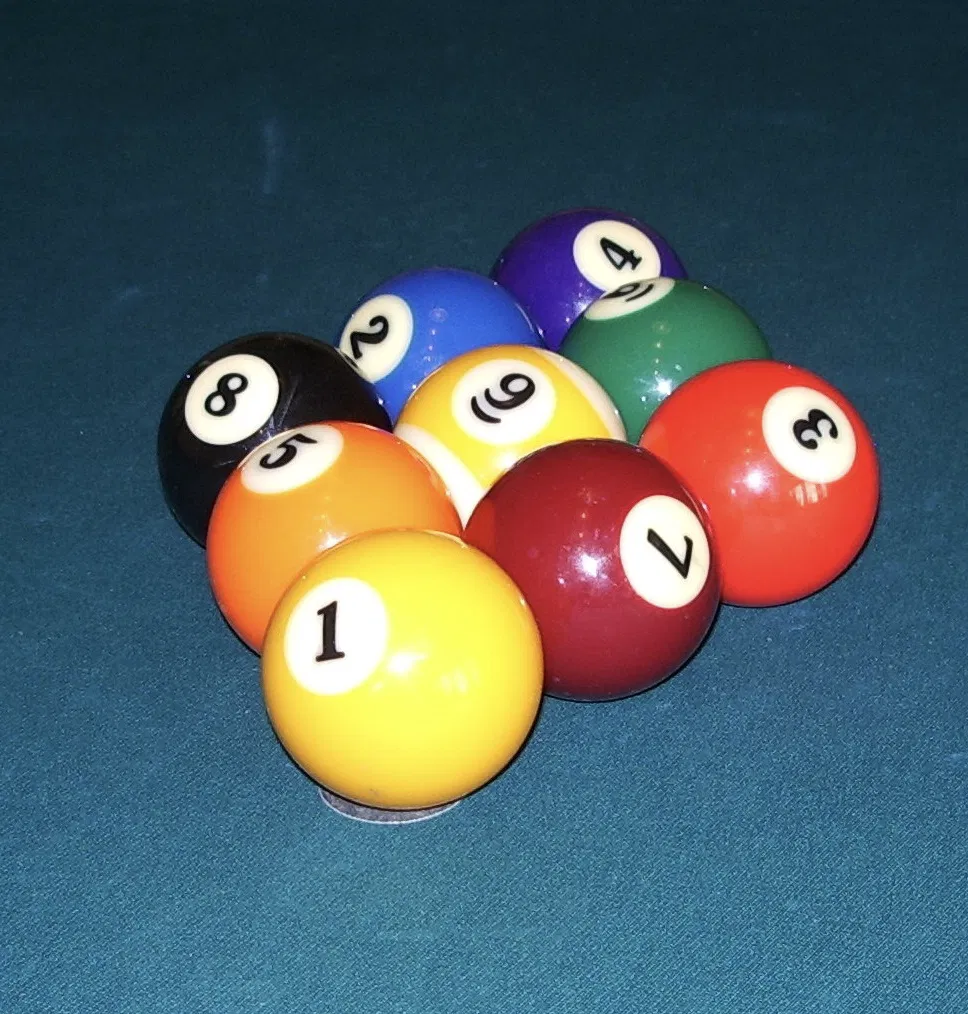
A strong break is one of the most decisive tools in 9-ball, often deciding the outcome of a rack before a second shot is even taken. Yet many club-level players struggle to generate the ball spread that professionals make look effortless. A few common technical issues are usually to blame.
1. Rack tightness
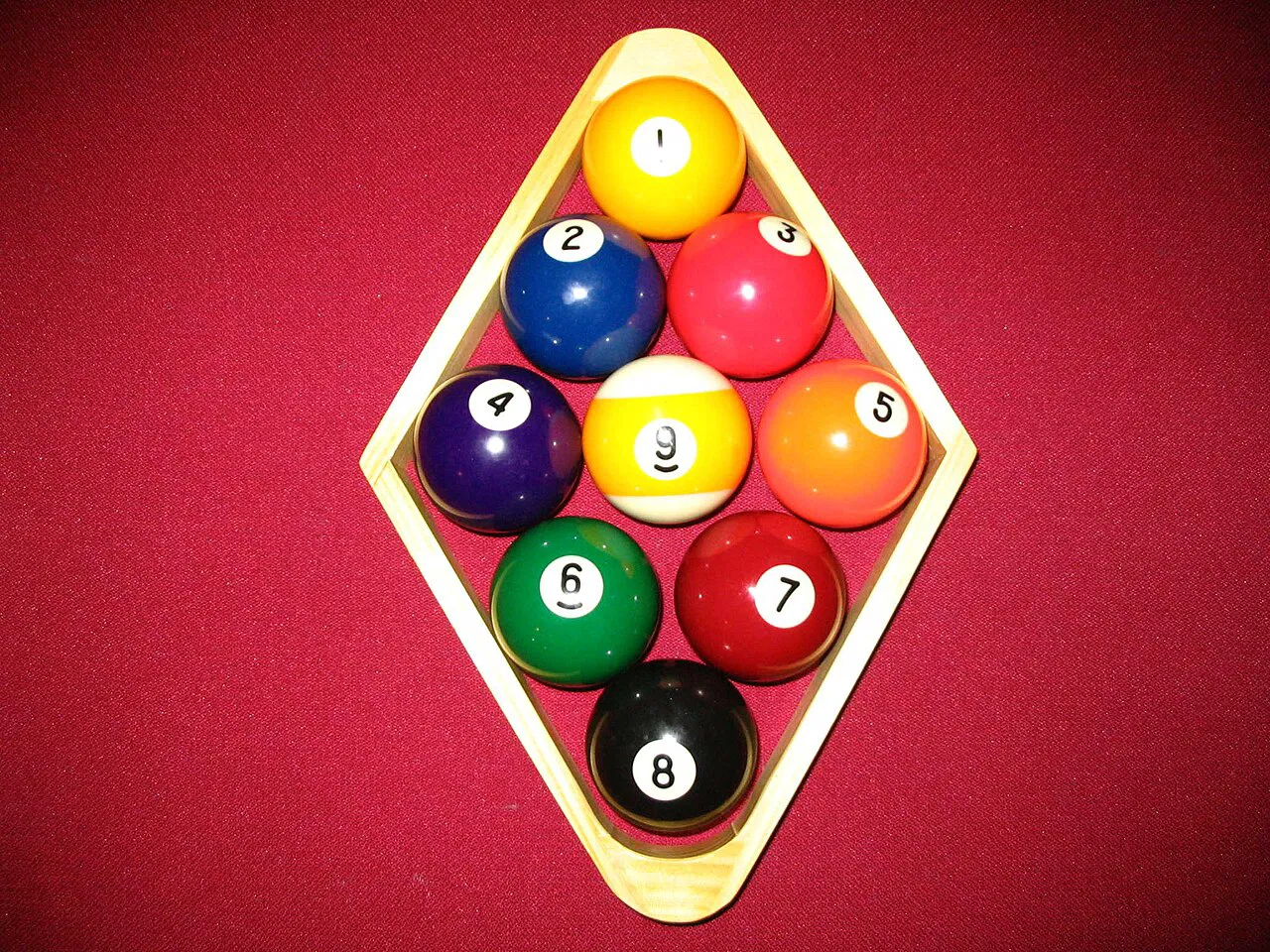
A loose rack absorbs energy instead of transferring it. Balls should be racked tightly enough that no gaps are visible between them; most players tap or push the rack gently forward before lifting it away to eliminate hidden space.
2. Cue elevation
Elevating the cue even slightly on the break shot sends energy downward into the table bed instead of forward into the rack, weakening the spread. A level, low-to-the-table stroke transfers more energy directly into the first ball struck.
3. Contact point on the rack
Most modern break technique aims slightly off-center on the front ball — often just inside the second ball back — rather than dead center, which helps drive energy sideways through the rack and reduces the chance of the cue ball following straight into a side pocket.
4. Follow-through and the power-versus-control trade-off
A break that's all power and no control often sends the cue ball flying off the table or scratching. Professionals emphasize a fast but controlled follow-through, keeping the cue moving through the ball rather than stopping short, while still keeping the cue ball's post-break position manageable.
None of these fixes require extraordinary strength. Consistency in setup and stroke mechanics generally matters more than raw power when it comes to generating a reliable, wide-open 9-ball break.